imageThe often question arises, “How can we change the Azure AD that we use for a given Azure subscription?”

Organizations might have several Azure subscriptions. Each subscription is associated with a particular Azure Active Directory (Azure AD) directory. To make management easier, you might want to transfer a subscription to a different Azure AD directory. When you transfer a subscription to a different Azure AD directory, some resources are not transferred to the target directory. For example, all role assignments and custom roles in Azure role-based access control (Azure RBAC) are permanently deleted from the source directory and are not transferred to the target directory.

This article describes the basic steps you can follow to transfer a subscription to a different Azure AD directory and re-create some of the resources after the transfer.

If you want to instead block the transfer of subscriptions to different directories in your organization, you can configure a subscription policy. For more information, see Manage Azure subscription policies.

For more details, read the following:

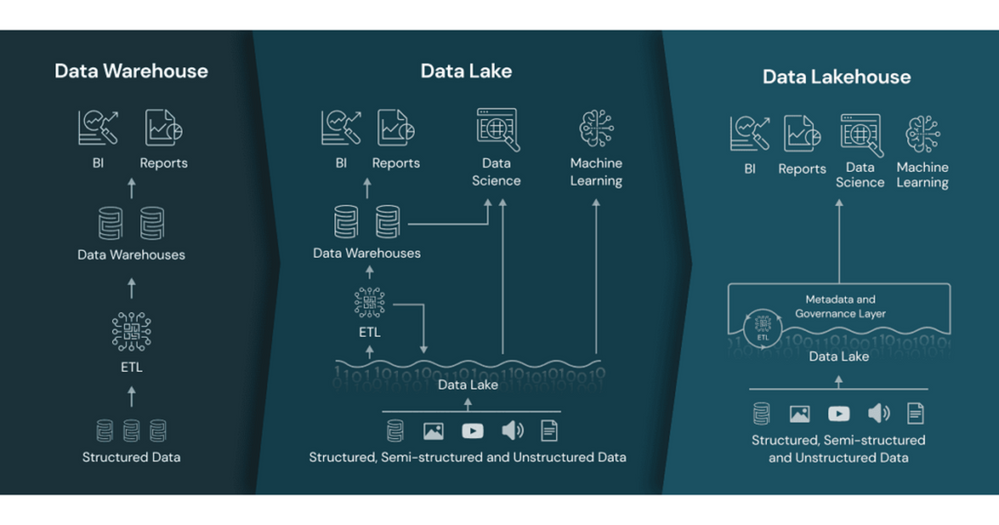
imageThere’s an interesting post that was written about the two sides of a data architect discussion: Data Lakehouse vs Snowflake as a data platform.

So how do we make sense of these competing patterns? Why is there such a big disparity between two approaches, and is there really such a major decision needed between open (spark/delta) v proprietary code (snowflake/relational) bases and repositories ? I believe that if you drill into the headline propositions, the reality is that any architecture isn’t an “either/or” but a “better together” and that a pragmatic approach should be taken.

Most Azure subscribers set budget alerts on their cloud spend… but did you know you can now set an anomaly alert to notify you of unusual cost spikes?

CostManagementThe article helps you identify anomalies and unexpected changes in your cloud costs using Cost Management and Billing. You’ll start with anomaly detection for subscriptions in cost analysis to identify any atypical usage patterns based on your cost and usage trends. You’ll then learn how to drill into cost information to find and investigate cost spikes and dips.

You can also create an anomaly alert to automatically get notified when an anomaly is detected.

In general, there are three types of changes that you might want to investigate:

  • New costs—For example, a resource that was started or added such as a virtual machine. New costs often appear as a cost starting from zero.
  • Removed costs—For example, a resource that was stopped or deleted. Removed costs often appear as costs ending in zero.
  • Changed costs (increased or decreased)—For example, a resource was changed in some way that caused a cost increase or decrease. Some changes, like resizing a virtual machine, might be surfaced as a new meter that replaces a removed meter, both under the same resource.

Read more here:

imageDiscover how the District Attorney’s office for the largest US county digitized its paper-based processes and moved its 26-year-old system to a modern platform:

Michael Fermin had attended a Microsoft Convergence conference and listened intently as Satya Nadella spoke about how every business should be looking at how it can transform through data. He took this seriously. He saw how his organization changed hands (which is the nature of government), but he knew the office needed to find a way for case data and their associated learnings, to live on into perpetuity. He knew there was an opportunity to optimize workflows and make people’s jobs easier through better access to information. His goal was to pursue a digital transformation strategy that would digitize paper-based processes and move the office to a modern software platform that could evolve with their changing needs.

View the video here:

View the write up here:

Want emails from your boss in your Outlook inbox to stand out in red & bold?

Want emails from VIP customer contacts in your inbox to use a slightly BIGGER font?

Outlook “Conditional Formatting” can accomplish this easily and make important emails “pop” in your inbox with very little effort on your part.

Here’s how to set it up:

  1. Open Outlook (Win32)
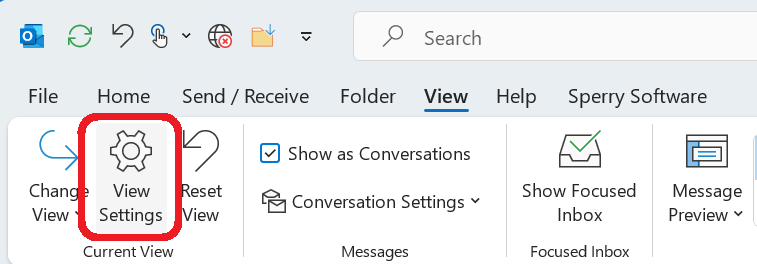
  2. Click the “View” menu item.  The View bar will appear.image
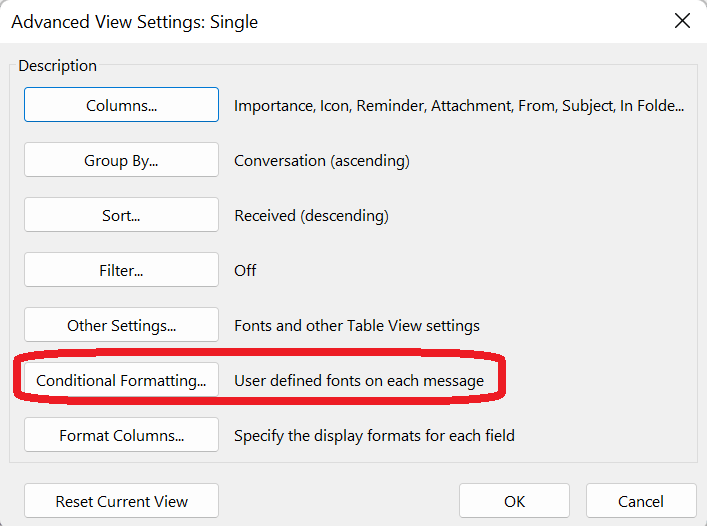
  3. Click the “View Settings” button in Current View. The “Advanced View Settings:” dialog box will appear.image
  4. Click “Conditional Formatting…” button. The “Conditional Formatting” dialog box will appear.image 
  5. Click on the “Add” button.  A new conditional formatting “rule” will appear called “Untitled”.image
  6. Select “Untitled” in the “Rules for this view:” list box and change the name in the “Name:” field.

    Then click the “Condition…” button to set up what emails you want to highlight. The “Filter” dialog box will appear.image

  7. Click “From…” to select what person or persons you wish to highlight.  Once selected, click “OK” to go back to the “Conditional Formatting” dialog box.image
  8. Click the “Font” button tp configure how you wish the line item to appear.  You may change the font, font style (bold, italics, etc.) size (smaller, normal, big, bigger), color (red, blue, etc), & effects (underline, strikeout).
  9. Click OK 3 times to return to the Inbox view.

The highlighting from your conditional formatting should take effect immediately.  In my case, I created a Conditional Formatting rule that looked for all of my customer’s CIOs and made them:

  • Red
  • 14pt font
  • Bold

A typical highlighted email in my inbox looks like this:

image

imageDo you have questions about Microsoft’s Azure cloud & how it addresses Security, Privacy, Compliance, Reliability, Resiliency & Intellectual Property?

Microsoft has a site that goes over how Azure addresses all of these areas, especially:

Download the book & visit the site here:

imageI keep getting asked this question:

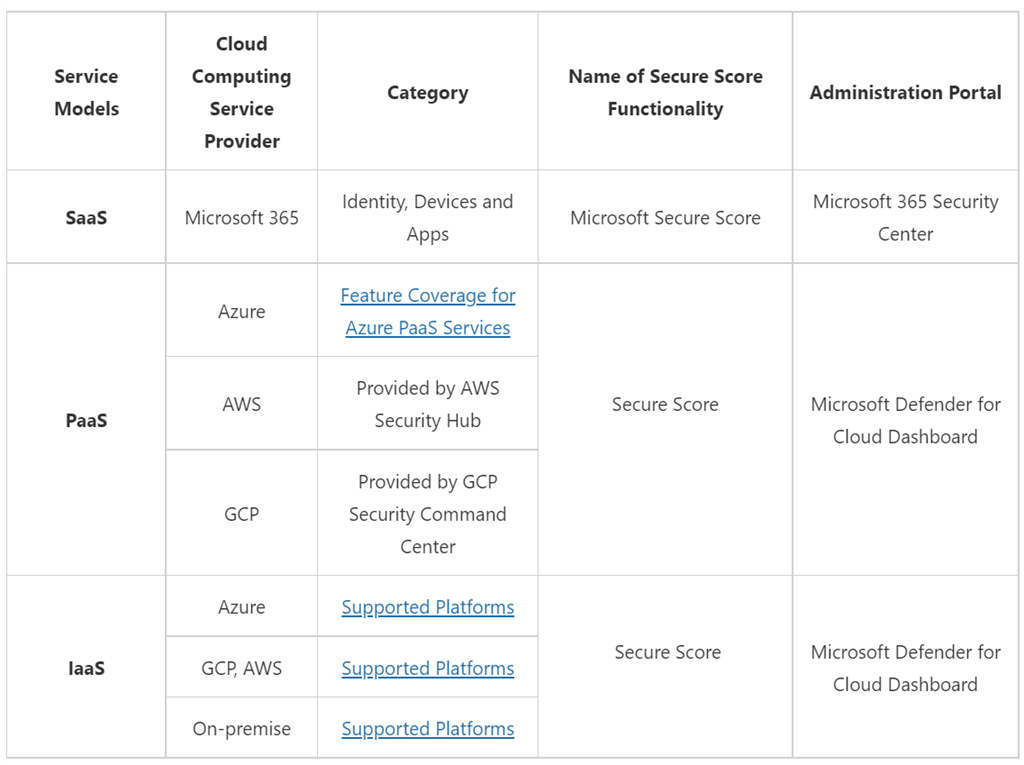
Q: What’s the difference between Azure Secure Score & Microsoft Secure Score?

Microsoft Secure Score is available in the Microsoft 365 Security Center.  It is an aggregate of 3 different scores: Identity, Devices & Apps.

Azure Secure Score is available in the Microsoft Defender for Cloud dashboard.

There’s a great blog post that goes over just this matter in detail:

The purpose of this article is to empower organizations to understand the difference between Secure Score in Microsoft Defender for Cloud and Microsoft Secure Score in Microsoft 365 Security center. This article also touches briefly on the Identity Secure Score in the Azure AD Portal and Microsoft Secure Score for Devices in the Microsoft 365 Security center but going into details on these products is outside of the scope of this article.

Read more here:

imageIn the modern workplace, effective collaboration with external partners is essential to drive positive business outcomes. External collaboration could range from adhoc chats with a vendor to more structured or long-term collaboration with suppliers or business partners.

Microsoft 365 provides multiple options when collaborating with external organizations in Microsoft Teams. With the recent public preview rollout of Microsoft Teams Connect shared channels, organizations have an additional option to collaborate externally. In this blog, we want to cover common use cases and key considerations when managing external collaboration in Teams.

Read the blog post here:

Posted by: kurtsh | July 5, 2022

RELEASE: Azure Skilling Guides

imageNew to Azure or looking to broaden your knowledge?

Finding the right content is always a challenge, so we’ve gathered the essentials into a new learning resource designed especially for those that are new to Azure and want to learn more.

Check out Azure Skills Navigators!

There are guides for:

Read about them here:

Credit Suisse is very bullish on Microsoft & says it will grow faster than it’s competitors, particularly as customers reach an inflection point where they move to PaaS services instead of just migrating VMs to the cloud.

imageIn a 67-page research report published on Thursday, Credit Suisse analyst Phil Winslow laid out in detail why he thinks Microsoft (ticker: MSFT) can grow Azure “faster and bigger” than what Wall Street expects. Winslow sees a shift unfolding in the way businesses are using the cloud that plays to Microsoft’s strengths.

My favorite line in this article: “We believe these levels of sustained growth and profitability are still not properly reflected in consensus estimates or valuation.”

Read the full article here:

« Newer Posts - Older Posts »

Categories