UPDATE: August 11th, 2016 as taken from “Updates to Silicon Support Policy for Windows”, https://blogs.windows.com/business/2016/08/11/updates-to-silicon-support-policy-for-windows/
Earlier this year, we shared information about Windows 10 embracing silicon innovation and our work with partners to achieve breakthroughs in performance, imaging, connectivity, power, graphics, and more as the Windows platform evolves with them. At the time, we shared our commitment to deliver security, reliability and compatibility to our installed base.
Enterprise customers are moving to Windows 10 faster than any version of Windows. At the same time, we recognize that, in some instances, customers have a few systems that require longer deployment timeframes. We listened to this feedback and today are sharing an update to our 6th Gen Intel Core (Skylake) support policy.* We have extended the support period from July 17, 2018 to the end of support dates for Windows 7 and Windows 8.1; and we will provide all applicable security updates.
This policy change primarily applies to our commercial customers who are currently managing deployments with Windows 7 and Windows 8.1, and does not apply to customers running Windows 10.
- Today Windows 7 is in extended support and support will end for Windows 7 on January 14, 2020, and support for Windows 8.1 will end January 10, 2023.
- 6th Gen Intel Core devices on Windows 7 and Windows 8.1 will be supported with all applicable security updates until the end of support for Windows 7 and Windows 8.1.
- This change is made possible through the strong partnership with our OEM partners and Intel who will be performing security update validation testing and upgrade testing for 6th Gen Intel Core systems running Windows 7 and Windows 8.1 through the end of support dates.
- As previously communicated earlier this year, future silicon platforms including Intel’s upcoming 7th Gen Intel Core (Kaby Lake) processor family and AMD’s 7th generation processors (e.g. Bristol Ridge) will only be supported on Windows 10, and all future silicon releases will require the latest release of Windows 10.
This change is designed to help our customers purchase modern hardware with confidence, while continuing to manage their migrations to Windows 10. There are now over 350 million devices on Windows 10 and more than 135 billion hours of use since the launch, with enterprise customers deploying Windows 10 to devices every day. We recommend that customers upgrade these 6th Gen Intel Core systems on Windows 7 and Windows 8.1 as soon as possible so that they can receive full support along with the great enhancements that come from running modern hardware with modern software.
Our commitment to all of our customers remains strong and we’re grateful for your ongoing support.
Additional information on the topic can be found here.
*Applies to Windows 7, Windows 8.1, and Windows Embedded 7, 8, 8.1.
————
UPDATE: March 18th, 2016 as taken from "Updates to Support Policy for Skylake Devices Running Windows 7 and Windows 8.1"
http://blogs.technet.com/b/windowsitpro/archive/2016/03/18/updates-to-support-policy-for-skylake-devices-running-windows-7-and-windows-8-1.aspx
As we approached Intel’s Business Launch for Skylake in mid-January, we shared more details on our recommendations for enterprise customers on Windows 10, Windows 7 and Windows 8.1, including clarifications to our support policy for new silicon. A key part of this update was our commitment to continuing to lead with a customer-first approach. Since then we’ve received feedback from customers at various stages of planning and deployment of Windows 10. Led by their feedback, today we are sharing a few updates to our Skylake support policy*:
- To help provide greater flexibility for customers who have longer deployment timeframes to Windows 10, the support period for Windows 7 and Windows 8.1 devices on Skylake systems will be extended by one year: from July 17, 2017 to July 17, 2018.
- Also, after July 2018, all critical Windows 7 and Windows 8.1 security updates will be addressed for Skylake systems until extended support ends for Windows 7, January 14, 2020 and Windows 8.1 on January 10, 2023.
This guidance is designed to help our customers purchase modern hardware with confidence, while continuing to manage their migrations to Windows 10. As our customers upgrade to Windows 10 on Skylake devices, they can benefit from the latest capabilities that come from modern hardware and software. Compared to Windows 7 PC’s, Skylake when combined with Windows 10, enables up to 30x better graphics and 3x the battery life – with the unmatched security of Credential Guard utilizing silicon supported virtualization.
Our commitment to all of our customers remains strong and we’re grateful for your ongoing support. Additional Q&A on the topic can be found here.
*applies to Windows 7, Windows 8.1, and Windows Embedded 7, 8, 8.1
Jeremy Korst, General Manager Windows Marketing
————
ORIGINAL POST:
 On January 15th Terry Myerson, Microsoft’s Executive Vice President of Windows and Devices, published the blog entitled Window 10 Embracing Silicon Innovation highlighting the momentum we are seeing with Windows 10 Devices and the innovation we will make available to our enterprise customers in partnership with our silicon partners.
It also provides important details and clarifications on current and future support for Windows on new silicon to ensure continued strong customer satisfaction with Windows.
Summary of Key Points
- Microsoft has been working closely with our silicon partners, including Intel, AMD, NVidia, and Qualcomm, on collaborative engineering to ensure Windows 10 takes full advantage of new silicon features.
- We are particularly excited about the work we’ve done with Intel on their new 6th generation Intel Core processors (code named “Skylake”). Compared to Windows 7 PCs, Skylake when combined with Windows 10, enables up to 30x better graphics and 3x the battery life – with the unmatched security of Credential Guard utilizing silicon supported virtualization.
- We’re excited to hear the feedback from our customers on their rapid move to Windows 10. We also know many customers continue to rely on Windows 7 for its well understood reliability and compatibility; however, Windows 7 on modern silicon is likely to see regressions with ongoing servicing.
- Microsoft wants to continue to help you prepare for your Windows 10 upgrade. To do that, we are working with our OEM partners to deliver a list of specific new Skylake devices we will support to run Windows 7 and Windows 8.1 through July 17, 2017. It will contain a robust range of options for customers including Dell Latitude 12, Dell Latitude 13, Dell XPS13, HP EliteBook Folio, HP EliteBook 1040 G3, Lenovo ThinkPad X1 Carbon, Lenovo ThinkPad P70, Lenovo ThinkPad T460s, and many more. This approach will ensure you can upgrade now to new devices while preparing for a Windows 10 upgrade. We will post this list next week and it will continue to be updated as we work closely with our partners.
Clarifications to the Windows lifecycle support policy
- With Windows 7 now in extended support, we are focused on our commitment to deliver security, reliability, and compatibility to our installed base on their current systems.
- Windows 7 will continue to be supported for security, reliability, and compatibility through January 14, 2020 on previous generation silicon. Windows 8.1 will receive the same support through January 10, 2023. This includes most of the devices available for purchase today by consumers or enterprises.
- Going forward, as new silicon generations are introduced, they will require the latest Windows platform at that time for support. This enables us to focus on deep integration between Windows and the silicon, while maintaining maximum reliability and compatibility with previous generations of platform and silicon. For example, Windows 10 will be the only supported Windows platform on Intel’s upcoming “Kaby Lake” silicon, Qualcomm’s upcoming “8996” silicon, and AMD’s upcoming “Bristol Ridge” silicon.
- Through July 17, 2017, Skylake devices on the supported list will also be supported with Windows 7 and 8.1. During the 18-month support period, these systems should be upgraded to Windows 10 to continue receiving support after the period ends. After July 2017, the most critical Windows 7 and Windows 8.1 security updates will be addressed for these configurations, and will be released if the update does not risk the reliability or compatibility of the Windows 7/8.1 platform on other devices.
In clarifying this policy, we are prioritizing transparency on where to find the highest reliability and best supported Windows experience: Windows 10 on any silicon, Windows 7 on the down-level silicon it was designed for, or a device on the support list.
Comments Off on NEWS: Clarifications on current & future support for Windows on new silicon
Posted in Uncategorized
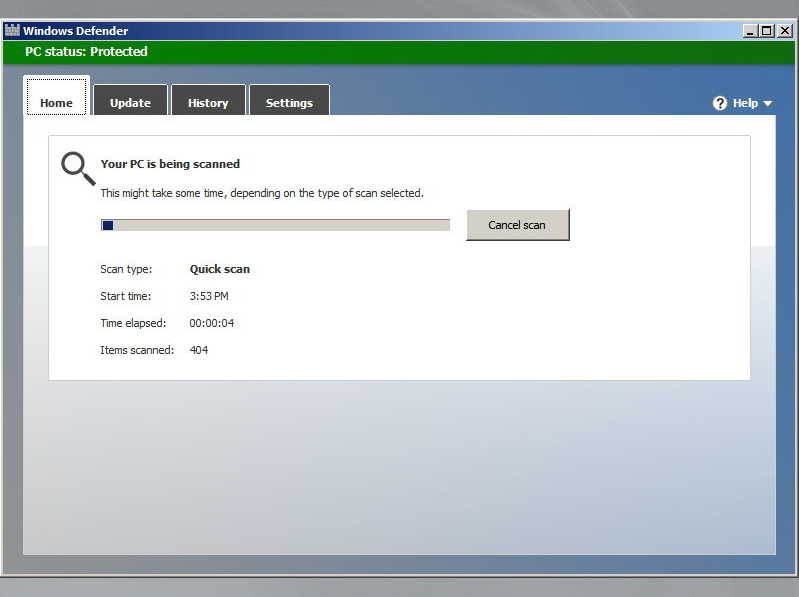 Did you know you can run Windows Defender from a bootable USB stick to hard-to-remove malware?




 kurtsh
 Kurt Shintaku's Blog
You must be logged in to post a comment.