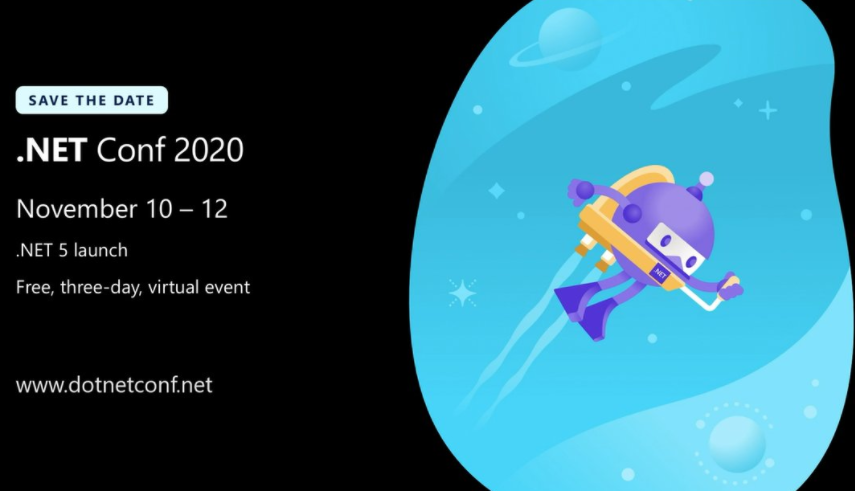
image.NET Conf is a free, three-day, virtual developer event co-organized by the .NET community and Microsoft. This year .NET 5.0 will launch at .NET Conf 2020! Come celebrate and learn about the new release. We’re also celebrating our 10th anniversary and we’re working on a few more surprises.

Read the agenda here:

Day 1 – November 10
Day one is all about the big news, .NET 5! Join the .NET team on all the new things you can do with the latest release.

  • 8:00 – 9:00
    Keynote
  • 9:00 – 17:00
    Sessions from the .NET Team at Microsoft
  • 17:00 – 18:00
    Virtual Attendee Party! Engage with our sponsors and win prizes.

Day 2 – November 11
Day two is where we dive deeper into all the things you can do with .NET and our 24 hour broadcast begins.

  • 9:00 – 17:00
    Sessions from teams at Microsoft
  • 17:00 – 23:59
    Community Sessions in local time zones around the world

Day 3 – November 12
Day three continues our all day and night broadcast with speakers around the world in their own time zones.

  • 0:00 – 17:00
    Community Sessions in local time zones around the world

Register here:

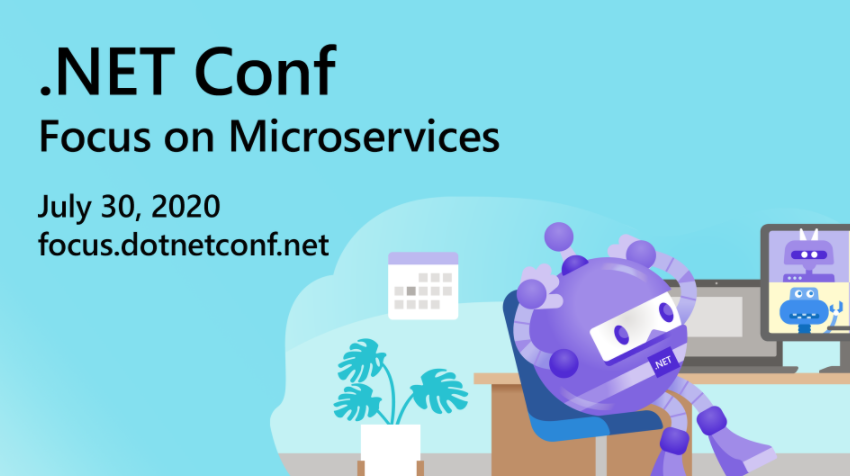
imageThe .NET Conf 2020 – “Focus on Microservices” conference took place on July 30, 2020 and it focused mostly on Microservices architecture and .NET-based applications migration/porting.

Event agenda is located here.  The event however recorded 21 sessions and made them available on-demand.

Read more here:

Posted by: kurtsh | October 10, 2020

EVENT: Open Azure Day – November 18, 2020

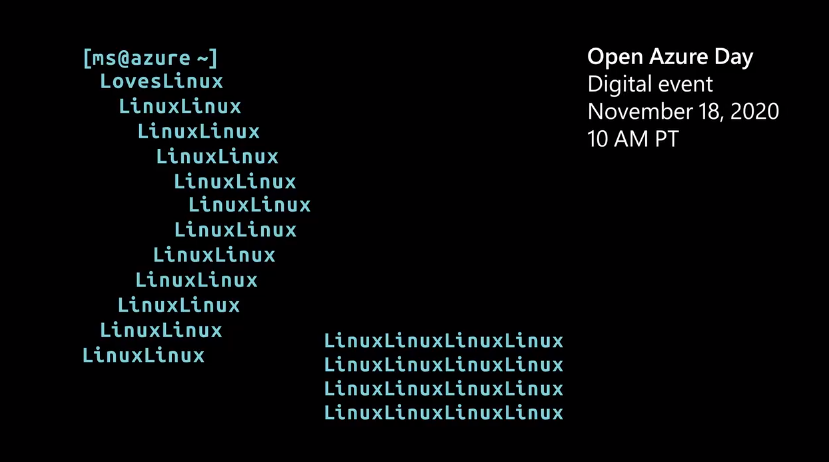
imageAnnouncing the “Open Azure Day” digital event on November 18. Learn how to natively run Linux and OSS on Azure—directly from Linux and Microsoft insiders.

Open Azure Day | Microsoft Azure
Wednesday, November 18, 2020, 10:00 AM – 1:00 PM Pacific Time

Run Linux apps your way on Azure

Learn to natively run Linux and open source in the cloud-and push your apps and data to the next level. Join this free digital event to hear about the latest trends and best practices for running Linux on Azure from Microsoft insiders and partners, including Red Hat, SUSE, HashiCorp, Elastic, Cloudera, and Redis Labs.

Register for this free digital event to:

  • Find out how to increase workload performance and security while optimizing IT costs.
  • Explore updates in enterprise-class Linux, containers, and hybrid and multicloud technology.
  • See tools and platforms in action, including Azure Arc, OpenShift, Rancher, Terraform, Elasticsearch, Cloudera, and GitHub.
  • Discover how to make the Microsoft partner ecosystem for Linux and OSS on Azure work for you.
  • Hear about real-life customers who boosted productivity by running their mission-critical Linux workloads on Azure.

You’ll also have the chance to ask experts your questions and connect with your peers in the live chat.

Register now:

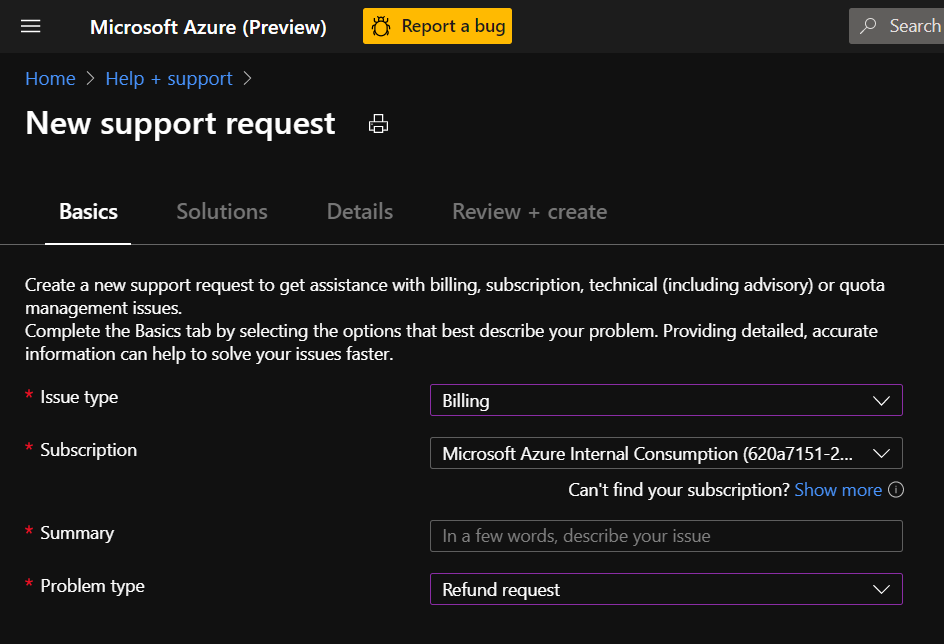
imageIf you’re looking to understand how to file for a Service Level Agreement credit due to a service incident on Azure, you can usually do so by opening a ticket through your Premier Services agreement (web, phone) if you are a named contact for the Support Contract.

If however you do not have Premier Support agreement,are not a named contact, or find the method below more convenient, this is a the way to apply for SLA credit through Azure Support via the Azure Portal:

  • Step 1: Log on to the Azure Portal. If you have multiple accounts, make sure you use the one that was affected by Azure downtime (this helps Support automatically collect the necessary background information and resolve the case faster).
  • Step 2: Create a new support request
  • Step 3: Select “Billing” under Issue type
  • Step 4: Select “Refund Request” under Problem type
  • Step 5: Add details to specify that you’re asking for an SLA credit, mentioning the date/time/time-zone as well as the impacted services (VMs, Web Sites, etc.)
  • Step 6: Check your contact details and click “Create” to submit your request

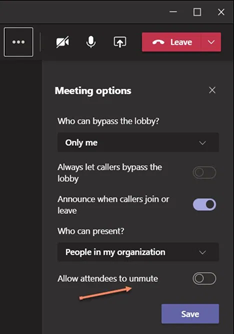
imageEveryone knows you can mute all people in a Microsoft Teams meeting, but as we’ve all seen, folks can unmute themselves potentially disrupting the presenter(s).

There’s now a ‘lock’ to prevent ATTENDEES from unmuting themselves in Microsoft Teams and disrupting the Presenters. (This feature does not impact Presenters)

The feature is arriving to Office 365 Government/GCC tenants late this month.

We’ve released a 5 module, 5hr & 15min hands-on workshop that you can walk through yourself around learning Azure Machine Learning, Azure Cognitive Services, Bot Services, Language Understand Intelligent Services, and QnA Maker.

It literally walks you through everything – including getting a free, no-risk trial Azure account to set up VMs and services in, so you really don’t need anything to start learning.

imageIn this workshop, we will cover the Microsoft Cognitive and Bot offerings through various demos and presentations. We will also get an opportunity to work hands-on with these offerings by writing code in Python for NLP scenarios.

At the end of the session participants will have a good sense of Microsoft offerings for creating Bots, leveraging our cognitive services and using Python to build simple NLP models.

This is available at no cost, so jump on it while you can review and download the content!

Recently, there’s been a lot of discussion about the process & procedure for preparing for Microsoft online services incidents (outages, for instance) and I thought it might be useful to document what guidance Microsoft provides to customers.

General Incident Guidance:

For all major service incidents, it’s highly unlikely that your account or services team will have any inside information. Below are suggestions for you to get the best info for future incidents.

imageAzure

Proactive guidance to prepare for service incidents:

  1. Azure – align critical workloads to the Well-Architected Framework.
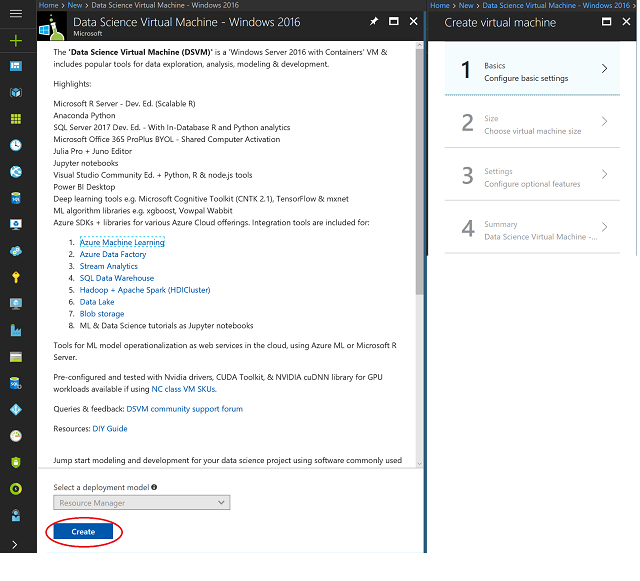
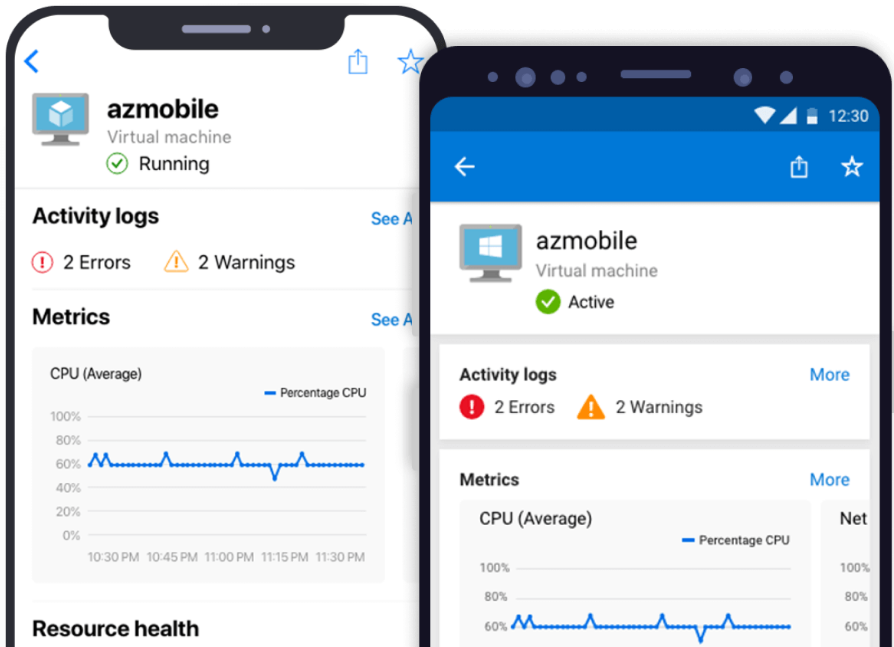
  2. Install the Azure Admin mobile app for iOS and Android.
  3. Bookmark the Azure Service Health page and configure Service Health alerts, Resource alerts and Scheduled Events in the Azure portal.

During an incident:

  1. Review Service Health in the Azure portal – unless you configured notifications, in which case info will be pushed to you
  2. Check Azure status page if you don’t have access to the Azure portal
  3. Follow @AzureSupport on Twitter
  4. If your symptoms don’t match the incident status messages, open a support case via the Azure portal

imageMicrosoft 365

Proactive guidance to prepare for service incidents:

  1. Bookmark the Service Health page in the Office 365 Admin Portal. (Docs here)
  2. Configure email notifications for Service Incidents
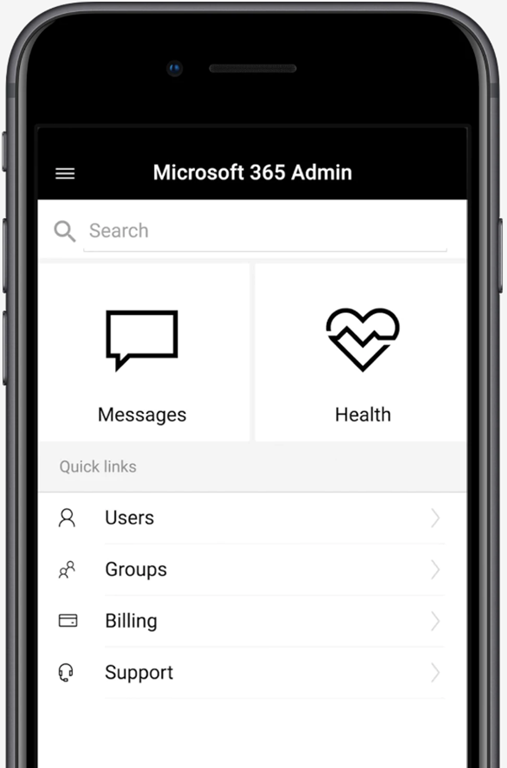
  3. Install the Microsoft 365 Admin mobile app for iOS and Android
  4. Consider configuring the Office 365 Service Communication API

During an incident:

imageMake sure you are fully utilizing the Azure Reservations you have purchased. To learn how, watch our video on tracking reservation utilization.

In this video, you will learn how to track Reservation Utilization (aka Reserved Instance Utilization) in Azure. This most commonly relates to virtual machines but also applies to other reservable resources.

Watch here:

Learn more at:

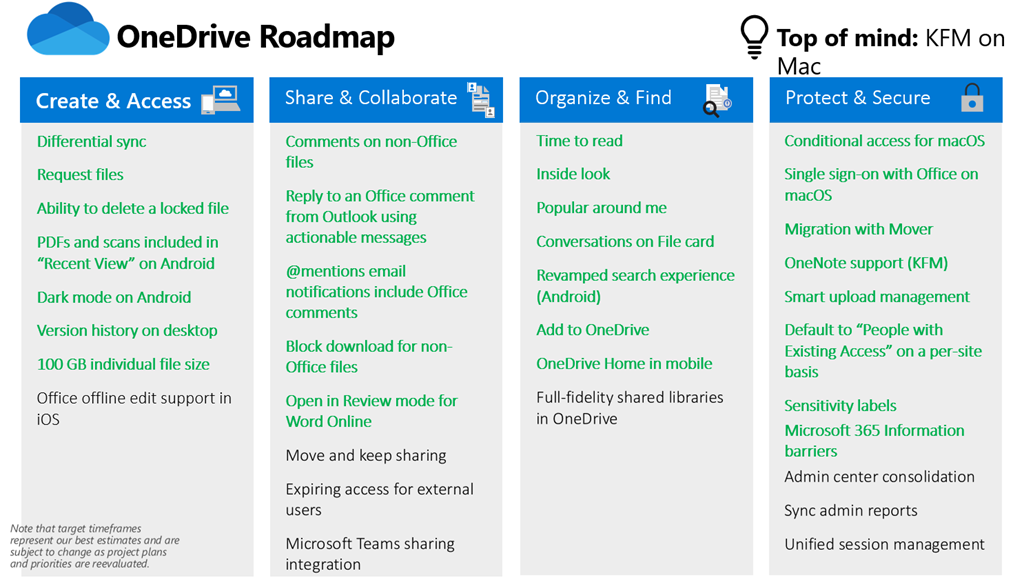
imageHere are many of our Microsoft Ignite 2020 Roadmap slides. We know the community enjoys having these in one place, so here ya go!  This is what’s covered:

  • Project Cortex
  • Stream
  • Yammer
  • Microsoft 365 Groups
  • Microsoft Search
  • SharePoint Sites
  • Home Sites
  • OneDrive
  • Project

(Courtesy of Dan Holmes, Director, Product Marketing)

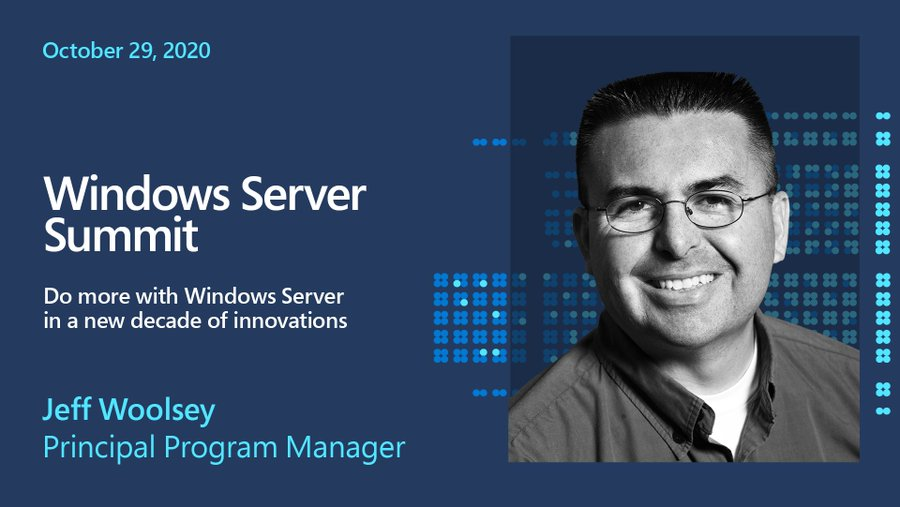
imageDo more with Windows Server in a new decade of innovation

Find out about the latest features of Windows Server, and learn how to extend your datacenter to Azure with unique hybrid cloud capabilities. Register for this digital event and see how to optimize your Windows Server workloads no matter where you run them: on-premises, in a hybrid environment, or on Azure.

Watch demos and learn best practices directly from the Microsoft Windows Server product team. You’ll discover how to:

  • Boost workload efficiency and scale with turnkey hyperconverged infrastructure solutions.
  • Increase security and reduce business risk with multiple layers of advanced, built-in protection.
  • Streamline your app development using containers and microservices.
  • See tools in action, including Windows Admin Center, System Center, Azure Arc, and Azure Stack HCI solutions.

This free digital event includes a live Q&A and presentations by Microsoft executives and engineering teams.

Register now for the Windows Server Summit!

« Newer Posts - Older Posts »

Categories