Posted by: kurtsh | September 19, 2012

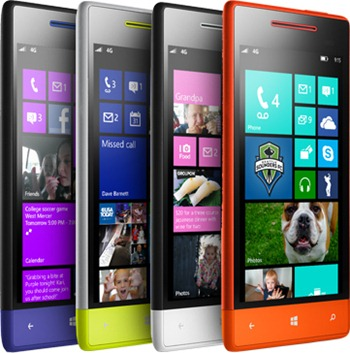
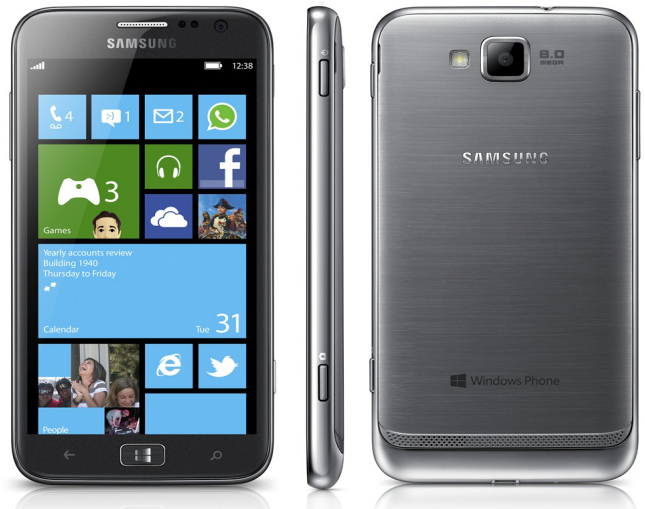
NEWS: Windows Phone 8 devices announced… so far.

imageBitlocker-encrypted Storage.
Centralized Remote Management.
Enterprise Software Distribution.
IT-manageable Corporate App Store.
Secure boot ’Jailbreak’ Protection
Mobile Office 2010, SharePoint, Lync
…sound good?

In case you missed it, here’s the manufacturers that have announced their Windows Phone 8 devices, all running the featuring a variety of mixes of the latest technologies in mobile devices (like NFC, wireless charging, anti-blur photography, microSD expansion, Beats audio, AMOLED screens, etc.), all dual-core SnapDragon processor-enabled, all with the full power of the Windows 8 kernel:


Posted by: kurtsh | September 19, 2012

HUMOR: Ah. So that’s what happened.

Mystery solved.

clip_image001

Posted by: kurtsh | September 19, 2012

WEBCAST: Project 2010 Broadcast Schedule for 2012/2013

image

We are going to be delivering a series of Project webcasts through our EPM partners starting in September.  If you are interested in participating, register below.

These spreadsheets list the policy settings for computer and user configurations that are included in the Administrative template files delivered with the Windows operating systems specified. You can configure these policy settings when you edit Group Policy Objects.

imageOverview
You can use the filtering capabilities that are included in this spreadsheet to view a specific subset of data, based on one value or a combination of values that are available in one or more of the columns. In addition, you can click Custom in the drop-down list of any of the column headings to add additional filtering criteria within that column.

To view a specific subset of data, click the drop-down arrow in the column heading of cells that contain the value or combination of values on which you want to filter, and then click the desired value in the drop-down list. For example, to view policy settings that are available for Windows Server 2012 or Windows 8, in the Administrative Template worksheet, click the drop-down arrow next to Supported On, and then click At least Microsoft Windows Server 2012 or Windows 8.

What’s New?
The Administrative Template spreadsheet contains three columns that provide more information about each policy setting’s behavior related to reboots, logoffs, and schema extensions. These columns are the following:

  • Reboot Required: A "Yes" in this column means that the Windows operating systems requires a restart before it applies the described policy setting.
  • Logoff Required: A "Yes" in this column means that the Windows operating system requires the user to log off and log on again before it applies the described policy setting.
  • Active Directory Schema or Domain Requirements: A "Yes" in this column means that you must extend the Active Directory schema before you can deploy this policy setting.
  • Status: A "New" in this column means that the setting did not exist prior to Windows Server 2012 and Windows 8. It does not mean that the setting applies only to Windows Server 2012 and Windows 8. Refer to the column entitled "supported on" to determine to which operating system the policy setting applies.
Posted by: kurtsh | September 18, 2012

INFO: Nokia Lumia 920 vs Apple iPhone 5

And there you have it.

IP5 next to Lumia

image

This is pretty cool.  If you’re gonna stand up SharePoint, which is designed to reach the maximum number of people in your organization or customer base, why use in house hardware when you can just put it in Windows Azure’s virtual machines and pay as you go?

Microsoft SharePoint Server 2010 provides rich deployment flexibility, which can help organizations determine the right deployment scenarios to align with their business needs and objectives. Hosted and managed in the cloud, the Windows Azure Virtual Machines offering provides complete, reliable, and available infrastructure to support various on-demand application and database workloads, such as Microsoft SQL Server and SharePoint deployments.

While Windows Azure Virtual Machines support multiple workloads, this paper focuses on SharePoint deployments. Windows Azure Virtual Machines enable organizations to create and manage their SharePoint infrastructure quickly—provisioning and accessing nearly any host universally. It allows full control and management over processors, RAM, CPU ranges, and other resources of SharePoint virtual machines (VMs).

Windows Azure Virtual Machines mitigate the need for hardware, so organizations can turn attention from handling high upfront cost and complexity to building and managing infrastructure at scale. This means that they can innovate, experiment, and iterate in hours—as opposed to days and weeks with traditional deployments.

This paper is intended for IT professionals. Furthermore, technical decision makers, such as architects and system administrators, can use this information and the provided scenarios to plan and design a virtualized SharePoint infrastructure on Windows Azure.

This paper explains how organizations can set up and deploy SharePoint within Windows Azure Virtual Machines. It also discusses why this type of deployment can be beneficial to organizations of many sizes.

Funny how I just stumble upon these things.

image

Free to Choose – Back-to-School Special:
Jumpstart Your Education with Books from Microsoft Press

Whether you’re learning a Microsoft app, studying for a Microsoft certification exam, or mastering a Microsoft programming language, you’ll find the Microsoft Press book in our Back-to-School Special to fit your needs.

  • Save 50% on ebooks and 40% on print books from Microsoft Press.
  • Microsoft Press ebooks from oreilly.com are DRM-free. You get free lifetime access, multiple file formats, and free updates. Now includes Dropbox syncing.
  • Use discount code B2S2 – Deal expires September 18, 2012 at 11:59pm PT, and cannot be combined with other offers.

image

Whoa.  Remember that guy that wrote that Power Users book on Windows 7?  HE’S BAAAACK.

You’re beyond the basics, so dive right into optimizing Windows® 8—and really put your PC or tablet to work! This supremely organized reference packs hundreds of timesaving solutions, troubleshooting techniques, and workarounds. It’s all muscle and no fluff. Discover how the experts keep their Windows 8 systems running smoothly—and challenge yourself to new levels of mastery.

  • Master essential Windows 8 maintenance and security features
  • Implement best practices to help prevent and combat viruses, malware, and identity theft
  • Apply quick fixes to the most common problems using expert tips and step-by-step repair guides
  • Use advanced troubleshooting techniques by understanding how Windows 8 works
  • Develop a recovery plan to restore your system and data in the event of a disaster
  • Know when to use power utilities for advanced performance, maintenance, and diagnostics

The thing is 655 PAGES.  What makes it interesting is check out these topics it goes over… sound interesting?

  • What Is WinSxS and Do I Need It? – pg 284
  • BitLocker and Dual-Boot Systems – pg 330
  • Repairing Internet Explorer 10 – pg 359
  • Recovering Encrypted Data – pg 461
  • Restoring Windows from Another PC – pg 481
  • Using Linux to Rescue Your Windows System – pg 491
  • Using Third-Party Rescue Tools and Services – pg 505
  • Working Safely with Windows 8 Encryption – pg 513

Here’s the sampler if you want to see the full table of contents.  Cripes – this looks so good, I’m gonna go get it myself with my own cash!

image

Look what ELSE just released! Available in PRINT, ePub, MOBI, and .PDF formats. All 720 pages!

Portable and precise, this pocket-sized guide delivers ready answers for the day-to-day administration of Windows Server 2012. Zero in on core operations and daily tasks using quick-reference tables, instructions, and lists. You’ll get the focused information to solve problems and get the job done—whether at your desk or in the field.

Get fast facts on these essential topics:

  • Managing servers running Windows Server 2012
  • Creating user and group accounts
  • Monitoring services, processes, and events
  • Administering Active Directory
  • Managing files, folders, drives
  • Automating administrative tasks and policies
  • Administering data sharing, security, and auditing
  • Managing TCP/IP networking
  • Implementing data backup and recovery
  • Administering network printers and print services

image

Look what just released!  Available in PRINT, ePub, MOBI, and .PDF formats.  All 672 pages!

Portable and precise, this pocket-sized guide delivers ready answers for administering computers running Windows 8. Zero in on core operations and daily tasks using quick-reference tables, instructions, and lists. You’ll get the focused information to solve problems and get the job done—whether at your desk or in the field.

Get fast facts on these essential topics:

  • Configuring and optimizing Windows 8 computers
  • Customizing the desktop and UI
  • Configuring user and computer policies
  • Managing disk drives and file systems
  • Managing devices, drivers, and software
  • Administering data access, availability, resource sharing, and security
  • Configuring and troubleshooting TCP/IP networking
  • Administering TPM and BitLocker Driver Encryption
  • Managing mobile users and remote access

« Newer Posts - Older Posts »

Categories