Are you a Microsoft 365 Government cloud customer?

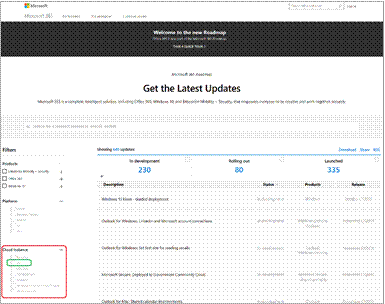
A new Microsoft 365 Roadmap site has been released and it now has filters to allow you to see what features are available and which are on the roadmap for specific cloud instances, including:

  • Government Community Cloud (GCC)
  • GCC High
  • GCC High/DoD
  • Germany

You can also filter on Office 365, Enterprise Mobility & Security Suite, Windows 10, and all of these suites’ sub-components such as Exchange Online, Microsoft Teams, etc.

image

Visit the new roadmap site here:

Posted by: kurtsh | October 10, 2018

BETA: Windows Virtual Desktop

During Microsoft Ignite 2018, we announced the coming preview of Windows Virtual Desktop”.

This is an new end-to-end cloud-based desktop solution that is orchestrated through Microsoft Azure.

Windows Virtual Desktop creates scalable Windows 10 or Windows 7 desktop experiences in the cloud.

  • Administrators set up the desktop space from Azure Marketplace “Windows Virtual Desktop” (Not available yet – until public preview)

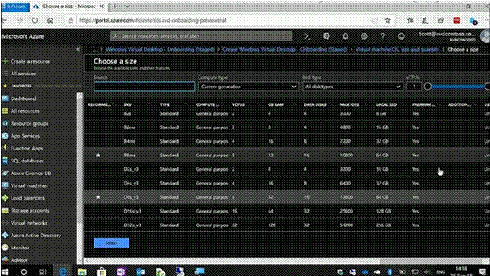
image

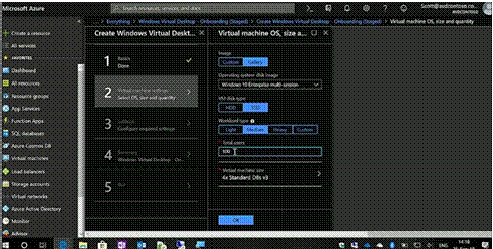
Creating a Windows Virtual Desktop deployment from the Azure Portal

  • Delivers a “full desktop experience” or “collections of apps” or “one specific app”
    • WVD app delivery can be initiated on local desktops & “appear” to be local apps in the Start menu
    • Supports copy & paste to the app from the local desktop, as well as save/open local files & local printers
  • Supports “VDI VM-based desktops” or ‘session-based desktops” – all in one
    • Session-based i.e. Remote Desktop experience is WINDOWS 10 – not Windows Server. [Exclusive to WVD]
  • Supports persistent or non-persistent desktops
  • Supports custom VM images or gallery-based templates
  • Support Office 365 applications in a multi-user environment (i.e. all the stuff that is hard or impossible to implement or manage)
    • Outlook
    • OneDrive
  • Supports every VM type in the Azure Gallery available in the region selected

image

Windows Virtual Desktops can be implemented on an VM type/SKU available in the selected region

  • Supports optimizing for performance or for cost efficacy:
    • breadth mode for performance (spread new VMs/sessions across all hosts)
    • depth mode to optimize for costs (use one host to capacity before using another)
  • Support Azure Active Directory
    • Automated domain join
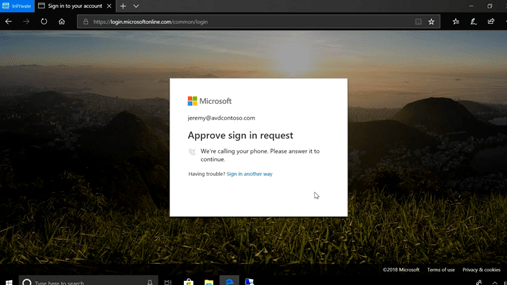
    • Multifactor authentication
    • Conditional Access

image

Multifactor Authentication is supported in tandem with Conditional Access for Windows Virtual Desktops

  • Licensing: (any of the following)
    • M365 E3/E5
    • M365 Business/F1
    • Windows E3/E5

I’ve aggregated everything I’ve got around Windows Virtual Desktop into a single location – PowerPoints, documents, and references at the following share:

If you’ve ever created a Personal view within Dynamics 365, you know that they can be very useful & big time savers.

But what if you need to delete/remove an personal view or hide a set of personal views that you don’t want to appear in the “My Views” drop down list? 

Here’s how:

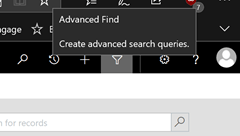
  1. imageGo to you list of opportunities or engagements & click on the filter icon in the upper right hand corner, also called “Advanced Find”. 
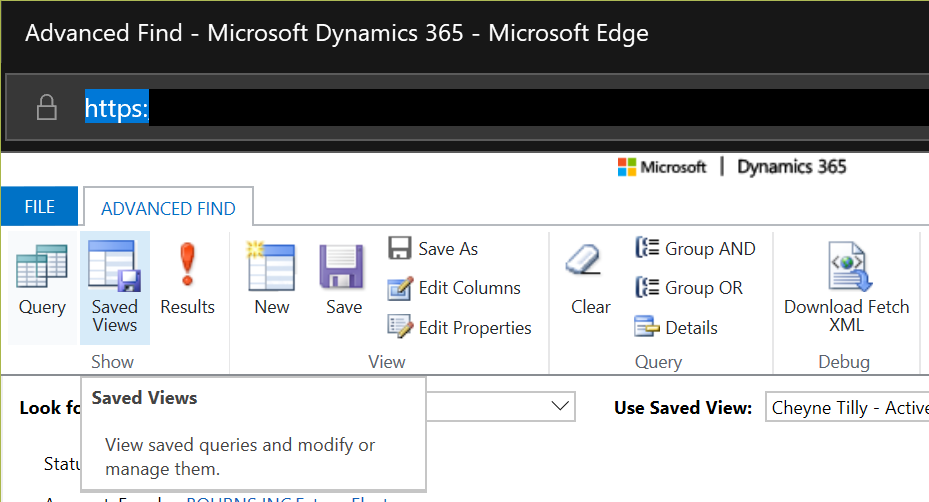
    A dialog box will appear.
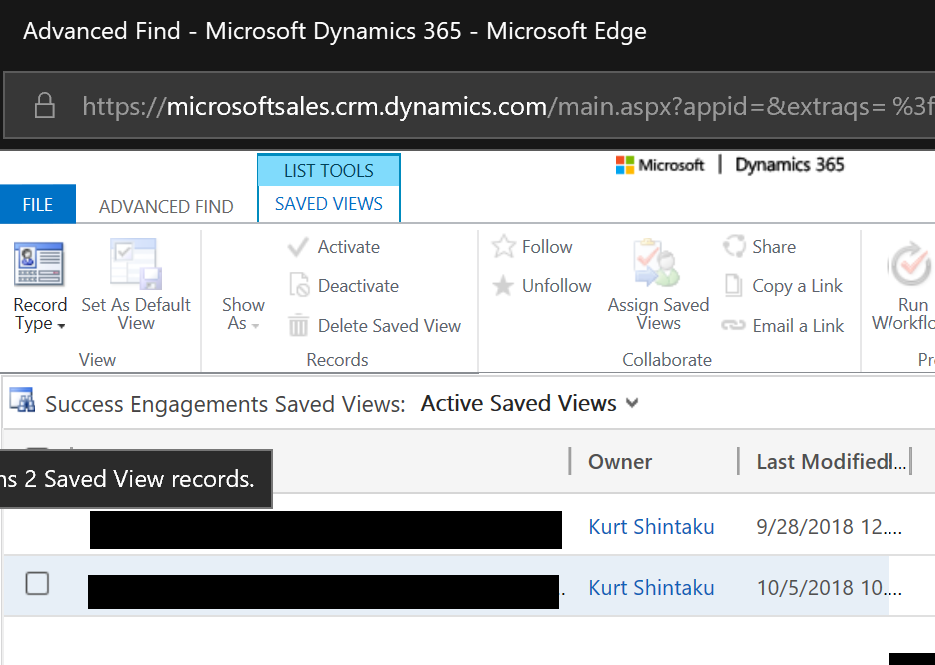
  2. imageSelect the “Saved Views” button.
    A list of all existing “personal” views will appear.
  3. imageCheck the boxes to the left of each view you wish to deactivate of delete.  Deactivating will hide the view for use later, whereas Deleting will remove the view forever.
  4. Select “Deactivate” or “Delete Saved View”.
Posted by: kurtsh | October 2, 2018

NEWS: Announcements at Microsoft Ignite 2018

If you’re interested in Office 365 & End-user Productivity Innovations – as announced at Microsoft Ignite 2018 – we have all the news summarized for you in a few locations:

Posted by: kurtsh | August 24, 2018

TRAINING: Microsoft Tech Academy

imageKick-start your cloud expertise with free, multimedia training for IT Professionals

Tech Academy unifies Microsoft’s learning and readiness platforms for IT Professionals and Developers into a single place. Use our curated Learning Pathways to kick-start or advance your Microsoft cloud expertise with always-up-to-date content or search across thousands of learning materials.  

Tech Academy delivers content from 26 different training resources from Microsoft, including:

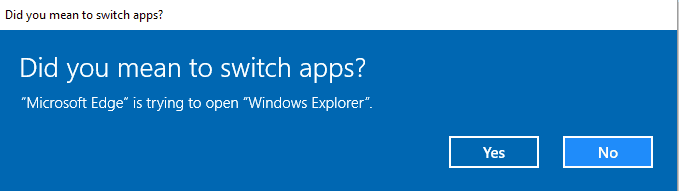
imageIf you’re a Microsoft Edge user and you’ve ever seen the “Did you mean to switch apps?” dialog box to the right while joining a Microsoft Teams meeting, you know that clicking “YES” for every single Teams meeting you want to join gets a little tedious.

This is how to disable the “Did you mean to switch apps?” dialog box for any future Microsoft Teams meetings that you want to join:

  1. Open Internet Explorer (Click START and type “Internet Explorer” and hit ENTER)
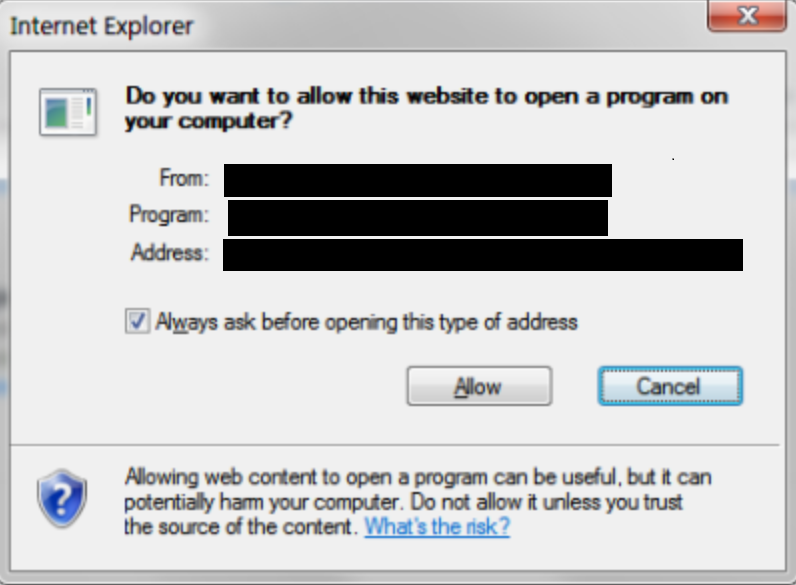
  2. Copy the Teams URL from one of your Teams meeting into the Address field of Internet Explorer and hit ENTER. You can copy this URL from an appointment will look something like the URL below. A dialog box will appear.

    https://teams.microsoft.com/dl/launcher/launcher.html?url=%2f_%23%2fl%2fmeetup-join%2f19%3ameeting_YzBhMzJlOTktZjdlYi00ZDViLWEzZTgtZjJiOWFiMTBjZjI3%40thread.skype%2f0%3fcontext%3d%257b%2522Tid%2522%253a%252272f988bf-86f1-41af-91ab-2d7cd011db47%2522%252c%2522Oid%2522%254a%2522709e9cb4-f42b-4ee0-85bd-8a40f9e5dc9b%2522%257d%26anon%3dtrue&type=meetup-join&deeplinkId=72add30e-7013-4307-a4d9-b1368d2c5b75

  3. Uncheck the box labeled, “Always ask before opening this type of address”.
    image
  4. Click the “Allow” button.

That’s it.  From now on, all Teams meeting links that you click will bypass the “Did you mean to switch apps?” dialog box and take you straight into the Teams application for your meeting.

———–

(Hat tip to TechSpeeder to for the original general guidance for this solution)

Posted by: kurtsh | August 24, 2018

RELEASE: Azure Stack for Azure Government

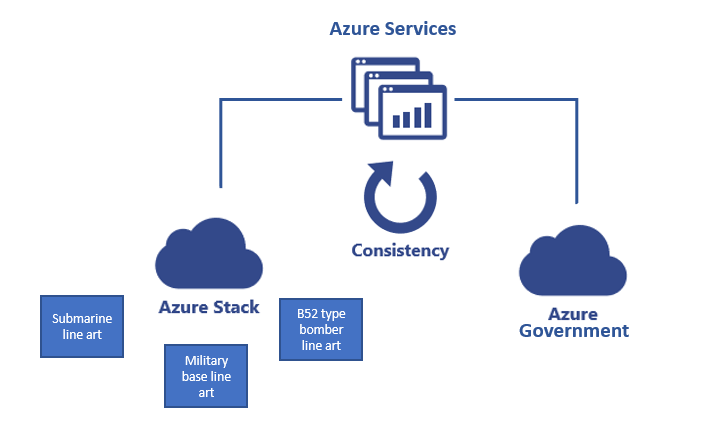
imageMicrosoft Azure Stack is now available to order for Azure Government customers.

It was just a few months ago we shared our plans to integrate Azure Stack with our government-only cloud offering so agencies can benefit from a truly consistent hybrid cloud approach across identity, subscription, registration, billing, backup and disaster recovery solutions, and the Azure Marketplace.

Read more at the Azure Government blog:

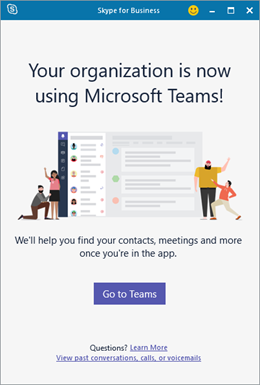
imageLooking for a summary of all the security & compliance features & administrative capabilities within Microsoft Teams?

Check this documentation library out:

Posted by: kurtsh | August 15, 2018

DOWNLOAD: Azure Active Directory deployment plans

imageJUST PUBLISHED!
Azure AD Customers should check out these detailed Azure Active Directory deployment plans to help you quickly deploy 9 frequently used AAD capabilities.

These include:

  • Single Sign-on
  • User provisioning
  • Multi-factor Authentication
  • Conditional Access
  • ADFS to Pass Through Authenticaiton
  • ADFS to Password Hash Sync
  • Seamless SSO
  • Self-service Password Reset
  • Azure AD Application Proxy

Get the plans here:

imageDo you have a Windows Mixed Reality headset?  Is your computer domain-joined or tied to a Windows Server Update Service (WSUS) patch server, instead of using Windows Update? Does this error message look familiar to you?

"Before we can setup Windows Mixed Reality, your administrator will need to enable it for your organization"

imageHOW TO MANUALLY INSTALL WINDOWS MIXED REALITY ON WINDOWS 10
Here’s the steps I put together to get Windows Mixed Reality working past the aforementioned error message: (I used the Samsung HMD Odyssey" on my 15” Surface Book 2 w/ 16GB)

  1. I downloaded the 1.4GB package for Windows 10 1803 located at http://download.microsoft.com/download/9/9/3/9934B163-FA01-4108-A38A-851B4ACD1244/Microsoft-Windows-Holographic-Desktop-FOD-Package~31bf3856ad364e35~amd64~~.cab
    …to a TEMP directory.
  2. I opened up a CMD window as Administrator by right mouse clicking CMD from the START button and selected "Run as Administrator".
  3. I ran the following command:

    dism /online /add-package /packagepath:c:\temp\Microsoft-Windows-Holographic-Desktop-FOD-Package~31bf3856ad364e35~amd64~~.cab

  4. The package add took a several minutes. It ended with "The operation completed successfully".
  5. I verified that "Windows Mixed Reality" got added to SETTINGS – Apps – Managed Optional Features
    (https://docs.microsoft.com/en-us/windows/application-management/add-apps-and-features)
  6. I rebooted with the headset still attached. Upon logging in, Windows Mixed Reality setup kicked in again – but this time after going through controller set up and boundary setup, the Mixed Reality Portal appeared.
  7. I verified that SETTINGS –> Mixed Reality now appears.

INSTALLING VALVE’S “STEAM”, “STEAMVR” & “WINDOWS MIXED REALITY FOR STEAMVR”
For those of you looking for more than what the Windows Mixed Reality store provides in terms of a VR software catalog, here’s instructions on how to get Windows Mixed Reality headsets working with Valve’s Steam catalog of software & SteamVR. (tl;dr: You have to install 3 things – one of which is a bridging technology called "Windows Mixed Reality for SteamVR" that has to be downloaded, in addition to Steam & SteamVR)

« Newer Posts - Older Posts »

Categories